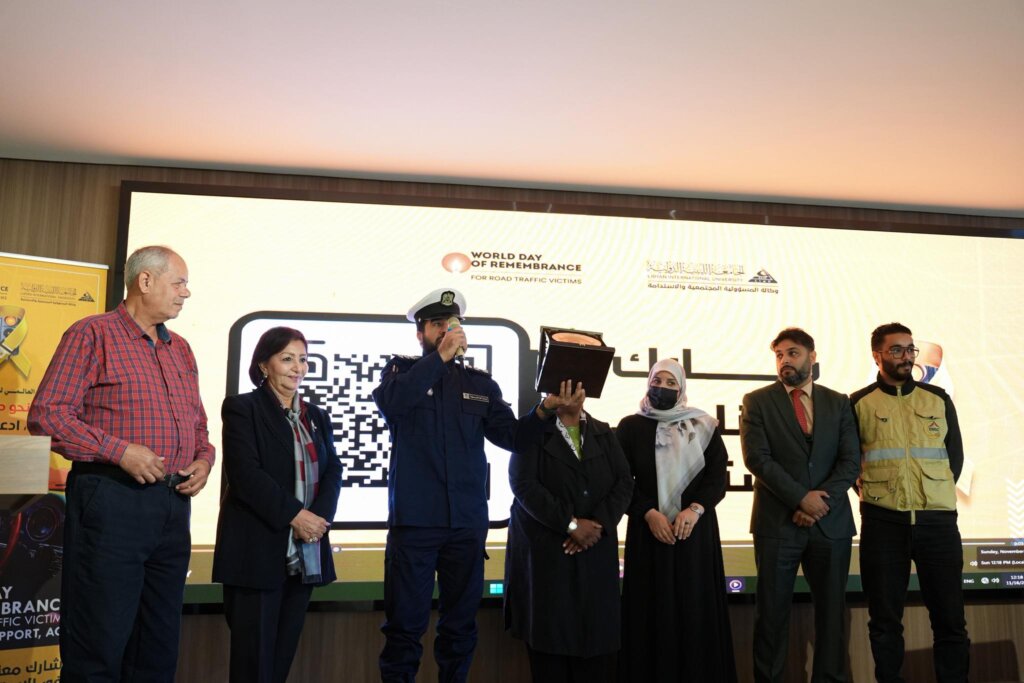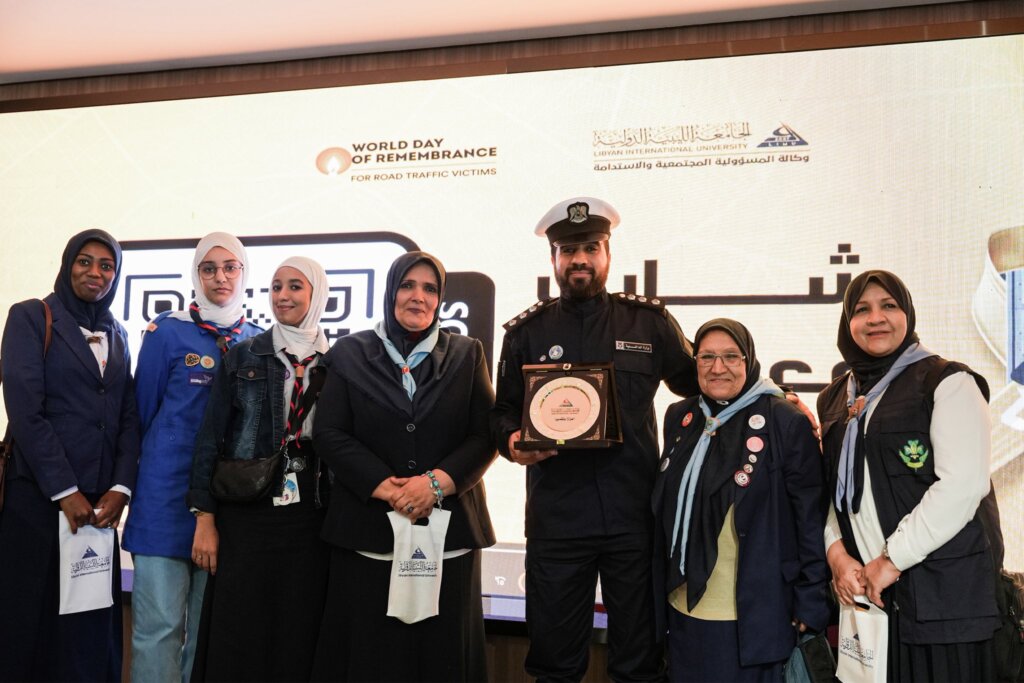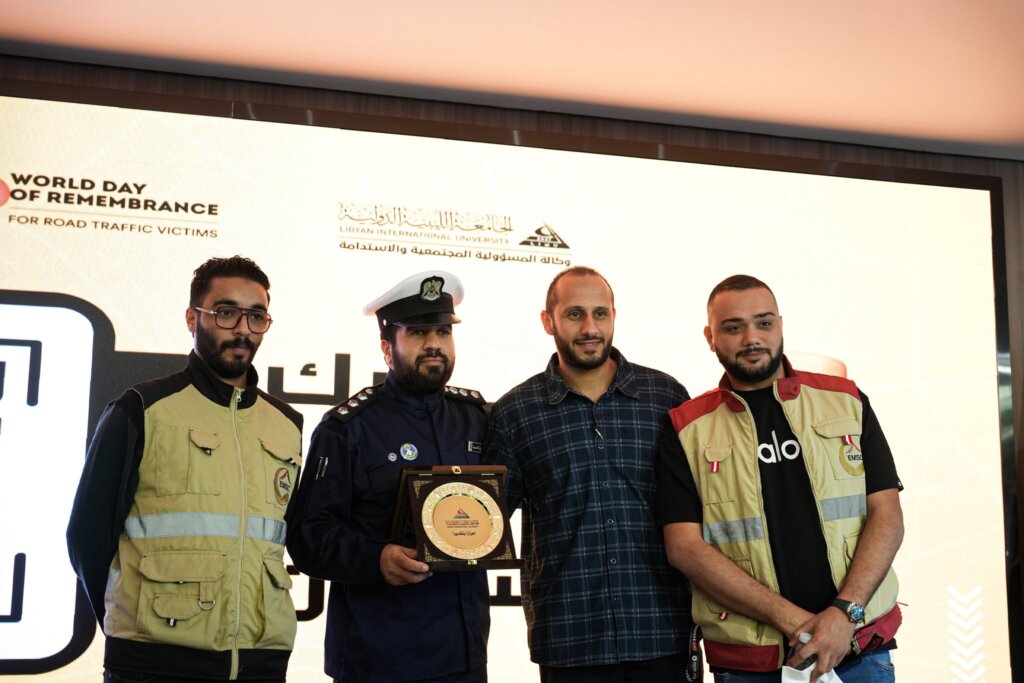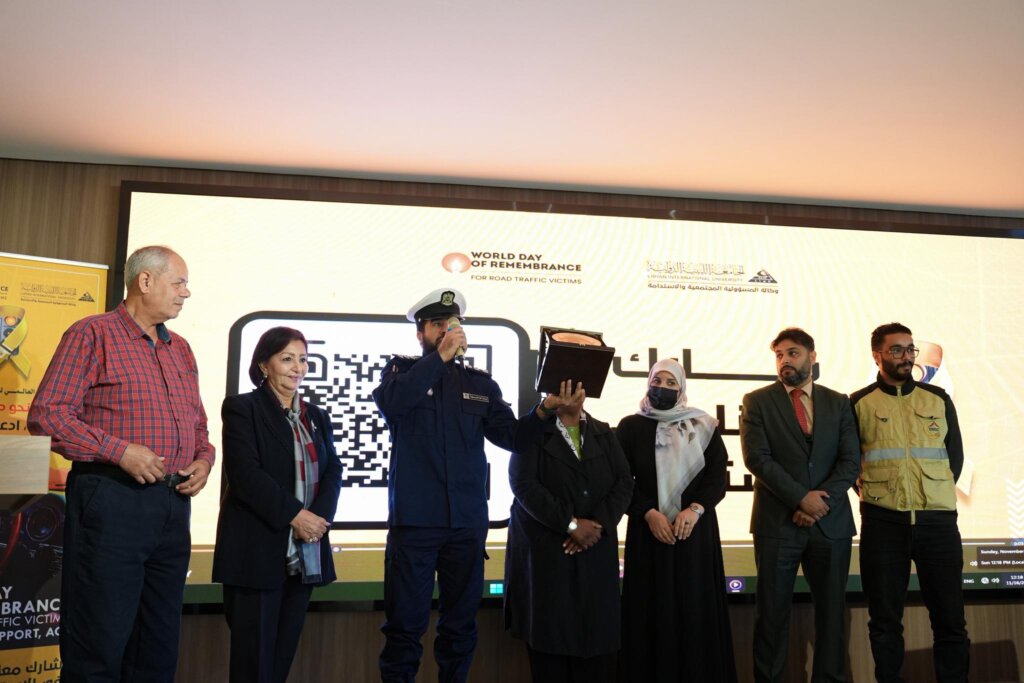
Coinciding with the World Day of Remembrance for Road Traffic Victims on November 16, 2025, the university hosted an important and dynamic interactive symposium on Sunday morning, November 16, 2025. The event was part of its ambitious community campaign under the slogan “Together Towards Safer Roads.”
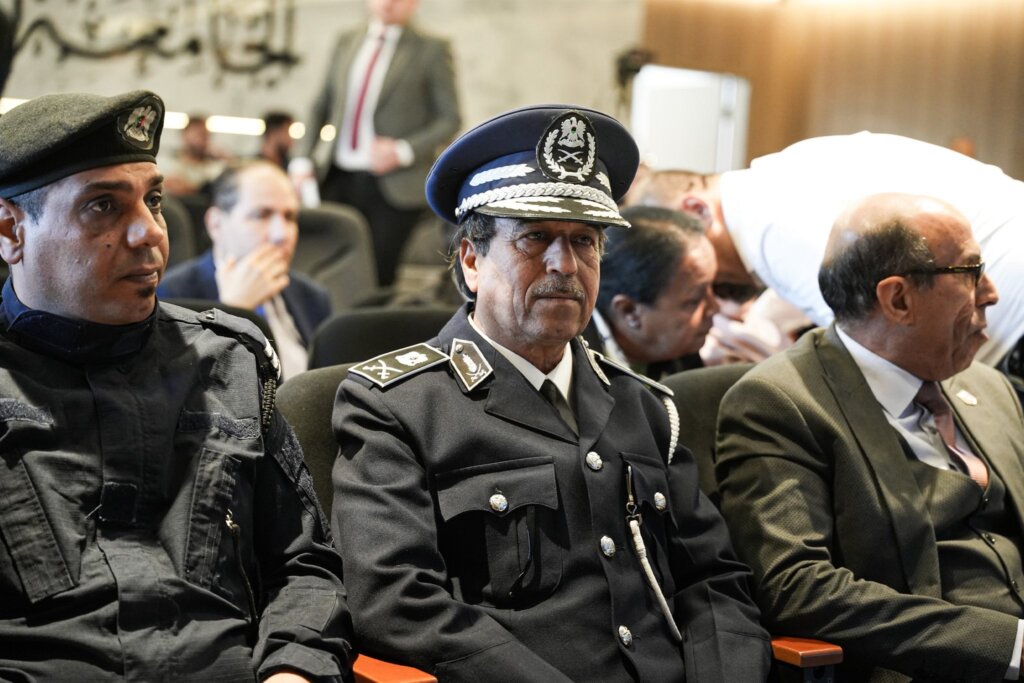
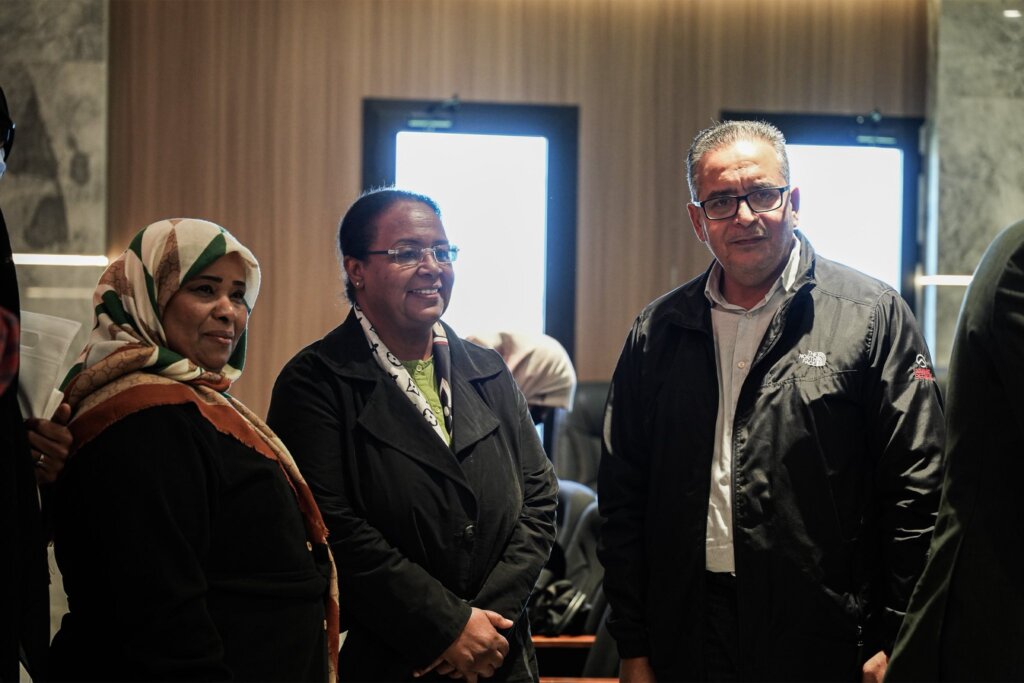
Organized by the Agency for Community Responsibility and Sustainability, the initiative brought together a distinguished group of academics, specialists, and representatives from security and medical institutions. It served as a comprehensive platform to assess the current situation and propose integrated solutions to the phenomenon of road traffic fatalities.
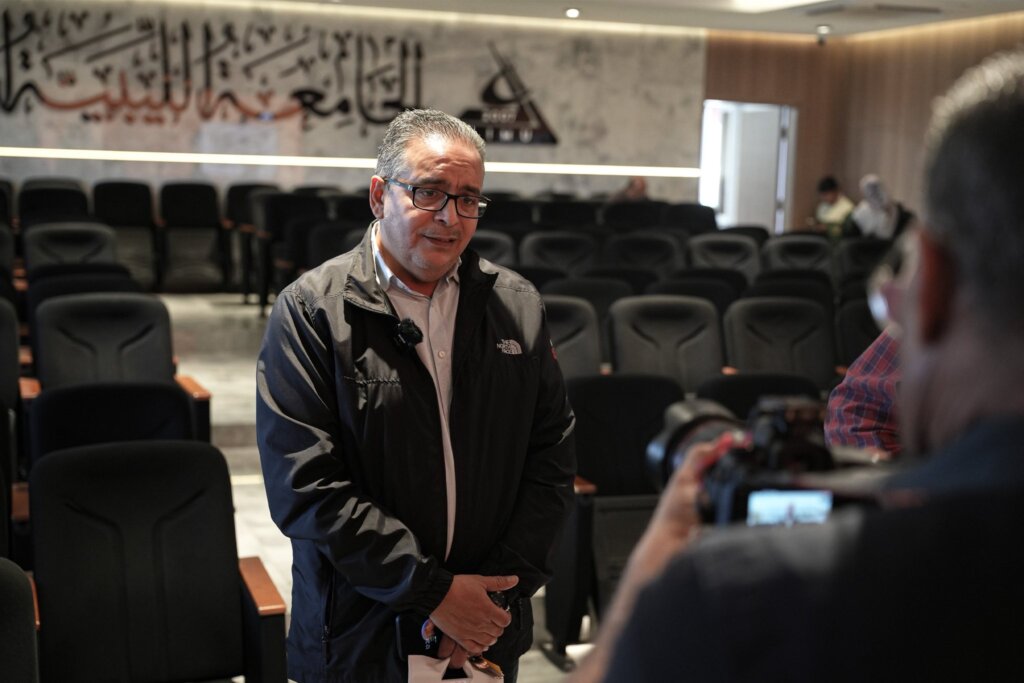
The symposium was inaugurated by the University President, who welcomed the attendees and emphasized that the university’s social responsibility requires active engagement in vital issues. He stressed that the rising rates of traffic accidents pose a “serious threat to the safety and security of society.” He also praised the tireless efforts of traffic officers in managing road flow and resolving congestion.
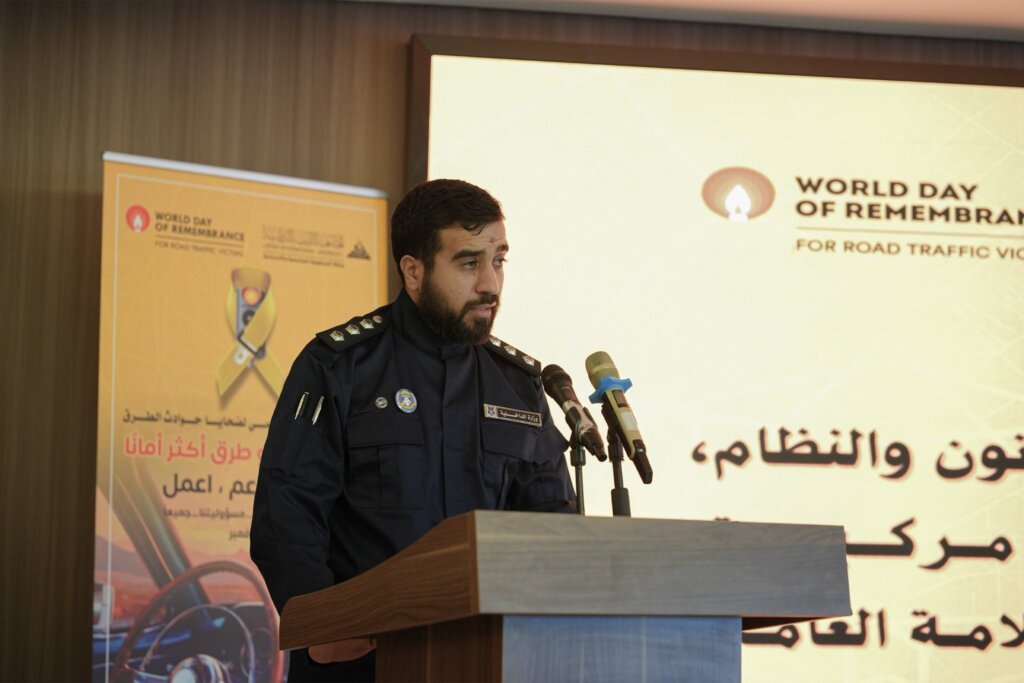
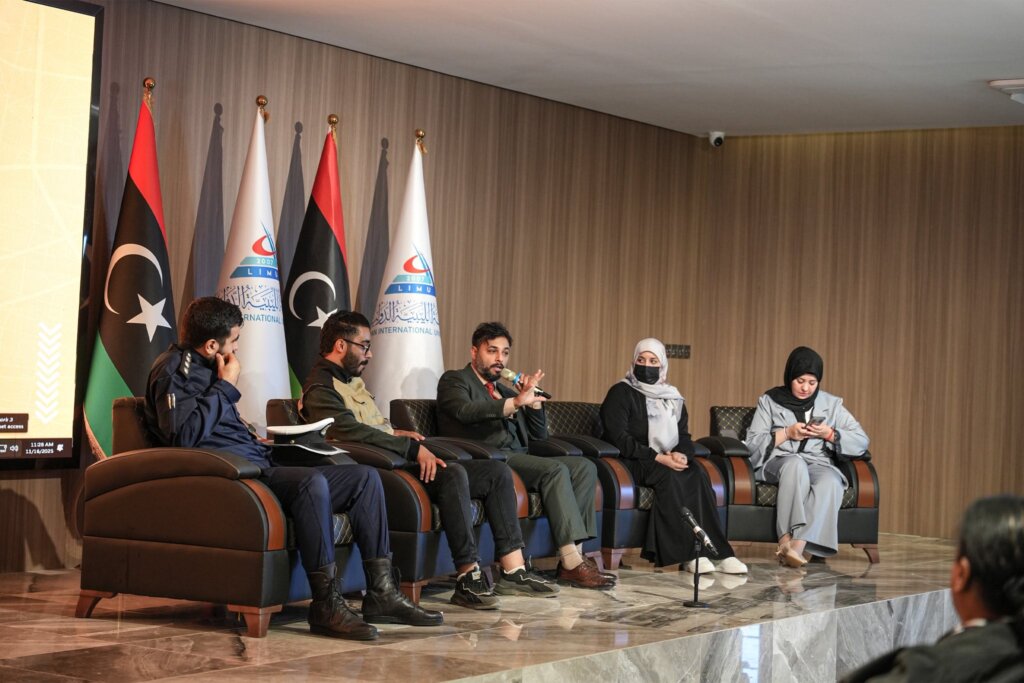
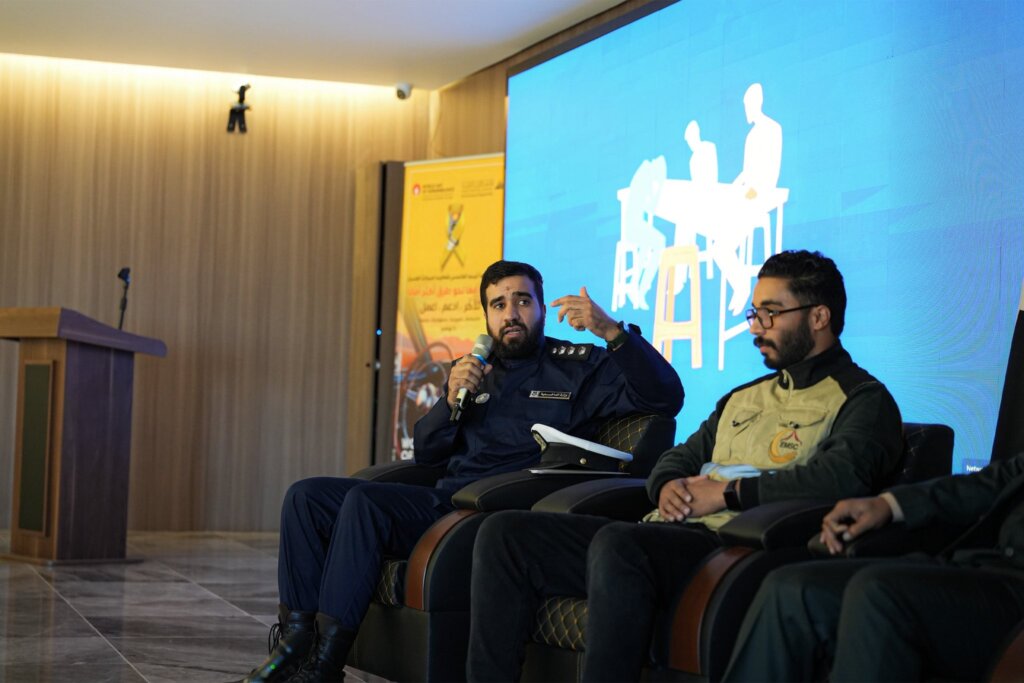
From the Law Program at the Faculty of Social and Human Sciences, Professor Majdi Al-Arfi and Dr. Habiba Al-Sheikhi delivered an in-depth presentation, offering a comprehensive evaluation of current traffic safety legislation and regulations. Meanwhile, Captain Mohamed Al-Misteiri, representing the General Directorate of Traffic, presented a detailed report supported by precise data and statistics on traffic and licensing in Greater Benghazi, analyzing the main causes of accidents on the city’s roads.
The discussion also addressed the humanitarian and medical dimension. Dr. Ezzeddin Bouhadi, from the Center for Emergency Medicine and Support, highlighted the role of emergency medicine in saving lives and reducing losses. He shed light on field challenges and the limitations of rapid response, underscoring the importance of first aid in rescuing road victims.
The three key pillars—legislation, monitoring and behavior, and medical readiness—formed an integrated system that reinforced the shared vision of safer roads where lives are protected.
Following these valuable presentations, the floor was opened for discussion, enabling attendees to actively contribute to shaping practical steps that are hoped to soon become tangible realities.
It is noteworthy that the campaign launched by the university will continue until Traffic Week in May, with the Agency for Community Responsibility calling on all civil society organizations and active sectors of the state to join the campaign so that, together, we can create a positive impact on society.